Column · @elliotlmla895
TRT Replacement Therapy Near Me: Questions About Safety Answered

Search interest in TRT replacement therapy near me usually starts in a personal place. A man feels more tired than he used to, notices his workouts are flatter, his mood shorter, his sex drive lower, or his focus less reliable. He sees ads promising renewed energy and quick results, then runs straight into a wall of mixed messages. One side says testosterone replacement therapy is life-changing. The other says it is risky, overprescribed, and potentially dangerous. Safety becomes the real question.
That question deserves a careful answer, because testosterone therapy is neither a miracle nor a scam. It is a legitimate medical treatment for a specific problem, low testosterone with symptoms, and it can be very helpful when prescribed well and monitored closely. It can also be a poor choice, or a badly managed one, when clinics rush the process, skip proper testing, or treat every tired 45-year-old as if he has the same diagnosis.
The safest way to think about TRT is not as a product, but as an ongoing medical decision. That shift matters. It changes what you ask, what you expect, and how you judge the clinic in front of you.
What TRT actually treats
Testosterone replacement therapy is designed to treat male hypogonadism, a condition where the body does not produce enough testosterone. The key phrase is "enough testosterone" in the context of actual symptoms and proper lab work. A single blood test that lands near the low end of normal is not, by itself, a complete diagnosis. Neither is fatigue alone.
In real practice, the men who often benefit most are not just "getting older." They usually have a pattern. They report reduced libido, fewer morning erections, lower energy, declining strength, slower recovery, reduced motivation, depressed mood, brain fog, or trouble preserving muscle despite training well. Even then, a good clinician does not stop at symptoms. Sleep apnea, chronic stress, excess alcohol use, obesity, medications, thyroid disease, and depression can mimic or worsen low testosterone. If those issues are not addressed, testosterone may be blamed for failing when it was never the right first move.
This is one of the first safety issues people miss. Safety is not only about side effects after treatment starts. It is also about whether the treatment was appropriate in the first place.
The short answer on safety
TRT can be safe for the right patient under proper medical supervision. It can also create problems when it is used casually, pushed by sales-driven clinics, or monitored poorly.
That may sound obvious, but it is the center of the issue. Testosterone affects multiple systems. It can improve body composition, sexual function, and quality of life in men with true deficiency. At the same time, it can raise red blood cell counts, suppress sperm production, aggravate untreated sleep apnea, worsen acne, and cause fluid retention in some patients. Men with certain prostate findings, unstable heart conditions, or plans for near-term fertility need a more cautious discussion.
A useful comparison is blood pressure medication. No serious person asks whether all blood pressure drugs are "safe" in the abstract. Safety depends on the drug, the patient, the dose, the underlying health picture, and the follow-up. TRT works the same way.
Why the first consultation tells you a lot
If you are searching TRT replacement therapy near me for TRT replacement therapy near me, the quality gap between clinics can be wider than most people expect. Some centers practice real medicine. Others are essentially retail operations built around subscriptions and convenience.
A strong first consultation usually feels slower than the patient expects. The clinician asks about sexual symptoms, sleep, stress, body weight, training, alcohol, medications, fertility plans, heart history, and prior lab work. He or she explains that testosterone levels fluctuate and are typically measured in the morning, often more than once, before making a diagnosis. They may discuss total testosterone, free testosterone, sex hormone-binding globulin, estradiol, luteinizing hormone, follicle-stimulating hormone, prolactin, complete blood count, prostate-specific antigen in appropriate patients, liver markers, and metabolic markers. Not every patient needs every test, but the broader point is that a proper workup is thoughtful.
By contrast, a weak consultation often sounds like a sales script. The message is simple: you are tired because testosterone drops with age, treatment is easy, and you can start immediately. That kind of speed may feel convenient, but it is not reassuring. In men’s hormone care, convenience without rigor is often the first warning sign.
The risks that matter most in real practice
Most of the fear around TRT gets flattened into slogans. The actual risk picture is more specific, and that helps.
One of the best known concerns is erythrocytosis, which means an increase in red blood cell concentration, often reflected by a rising hematocrit. This is not rare, especially with some injection protocols. When hematocrit climbs too high, blood viscosity can increase, and that may raise concern for clotting events in susceptible people. This is why regular blood work matters. Many men tolerate TRT without serious issues, but this is one of the reasons "set it and forget it" care is not acceptable.
Fertility is another major issue, and one that is often underestimated. Exogenous testosterone can suppress the body’s own signaling to the testes, which can lower sperm production dramatically. I have seen men in their thirties start TRT for fatigue, feel better for a year, then realize they want children and are shocked to learn the therapy may have reduced fertility. Sometimes fertility can recover after stopping, sometimes with additional treatment, but it is not something to shrug off. If fathering children in the near future matters to you, the conversation needs to happen before the first dose, not after.
Prostate safety is often misunderstood. Testosterone therapy is not the same as "causing prostate cancer." That simplistic idea does not match how clinicians actually assess risk. Still, prostate health matters. Men with a history of prostate cancer, suspicious urinary symptoms, abnormal exams, or concerning PSA results need careful evaluation. A responsible clinician does not use fear language, but does take baseline screening and follow-up seriously when appropriate for age and risk.
Cardiovascular safety remains a nuanced topic. Research has not supported a blanket claim that TRT is either universally dangerous or universally protective for the heart. Patient selection matters. Men with unstable cardiovascular disease, recent serious events, or uncontrolled risk factors require a more cautious approach. The man with well-managed health issues and documented hypogonadism is not the same as the man with untreated sleep apnea, severe obesity, high blood pressure, and chest symptoms who wants a testosterone boost because he feels worn down.
Then there are the more common side effects, which are less dramatic but still real. Acne, oily skin, breast tenderness, mood fluctuations, edema, and testicular shrinkage can occur. Some are dose-related. Some improve when the treatment plan is adjusted. Some indicate the regimen was too aggressive from the start.
Delivery method changes the experience, not just convenience
Many patients assume all TRT is basically the same, with only lifestyle preferences separating one option from another. That is not quite true. The route of administration can influence side effects, hormone stability, cost, and how likely a patient is to stick with treatment.
Injectable testosterone is common because it is effective and often less expensive than other forms. But injection protocols vary. Larger doses spaced too far apart can lead to a roller-coaster effect, where a patient feels great after a shot and flat before the next one. Smaller, more frequent dosing often creates steadier levels for some men, though it also requires more involvement.
Gels and creams provide another option. They can work well, especially for men who dislike needles, but adherence matters. So does the risk of transferring medication to a partner or child through skin contact if precautions are ignored. In practice, some men love topical therapy because it feels simple. Others tire of daily application quickly.
Pellets appeal to patients who want less frequent treatment, but they are not perfect either. Dosing flexibility is lower once inserted, and not every patient likes that trade-off. Nasal formulations and other alternatives exist, though availability and suitability vary.
A clinic that speaks honestly about these differences is more trustworthy than one that treats every method as interchangeable.
Why monitoring is not optional
A surprisingly large share of TRT safety comes down to what happens after treatment starts. If follow-up is weak, problems can build quietly.
At minimum, patients usually need periodic symptom review and repeat labs. The timing depends on the protocol and the patient, but early reassessment within the first few months is common. Later, intervals may lengthen if things are stable. The clinician should be paying attention to how you feel, how your levels respond, whether your hematocrit is rising, whether estradiol-related symptoms are appearing, and whether any cardiovascular, urinary, or sleep-related issues are changing.
This is where experienced judgment matters. Numbers help, but they do not tell the whole story. A patient can have a laboratory value in range and still feel unwell because the dose timing is wrong, the underlying sleep problem was never treated, or expectations were unrealistic. Another patient may have improved energy and libido but develop a hematocrit trend that requires adjustment. Good TRT management is dynamic.
One of the more concerning patterns in the market is the patient who gets a prescription, a shipment, and very little follow-up. That is not thoughtful hormone care. It is subscription medicine wearing a lab coat.
Red flags when choosing a clinic nearby
Local access matters. Convenience matters too. But if you are evaluating providers after searching for TRT replacement therapy near me, do not confuse proximity with quality.
A few warning signs tend to repeat themselves:
- same-day treatment offered before a meaningful diagnostic workup
- little or no discussion of fertility, sleep apnea, cardiovascular history, or prostate considerations
- vague answers about lab monitoring frequency
- a one-size-fits-all protocol for every patient
- pressure to bundle supplements, peptides, or extra medications without clear medical reasoning
A good clinic does not need to sound fearful or overly academic. It just needs to be thorough. Often, the best visits feel practical. The clinician explains what TRT can help, what it cannot fix, what would make treatment inappropriate, and what changes would be needed if your labs shift in the wrong direction.
What "safe enough" usually looks like
Patients often want certainty, but medicine usually offers thresholds and probabilities, not guarantees. So what does a reasonably safe TRT plan look like in day-to-day care?
It starts with a confirmed diagnosis rather than a hunch. It includes baseline labs and symptom assessment, ideally with repeat testing when needed to clarify the picture. It accounts for age, fertility goals, weight, sleep quality, medication use, and cardiovascular risk. It uses a dosing strategy that aims for steady improvement rather than dramatic peaks. It builds in lab monitoring instead of waiting for side effects to force the issue. And it leaves room to pause, reduce, or revise treatment if the response is poor or the risks start to outweigh the benefits.
That last point is worth emphasizing. Good clinicians are willing to say, "This is not working the way we hoped," or "Your hematocrit is rising too much," or "You need your sleep apnea treated before this is a smart move." Safety often depends less on the initial prescription than on the willingness to adjust course.
The weight loss and vitality trap
A lot of men seek TRT because they feel physically diminished. That is understandable. What gets risky is when testosterone becomes a stand-in for every health problem.
A man sleeping five hours a night, drinking heavily on weekends, carrying significant visceral fat, and managing poorly controlled diabetes may indeed have low testosterone. But his safety profile is not the same as a lean, active man with pituitary-related hypogonadism. Both may have symptoms. Both may ask for treatment. Only one of them is likely to do well if the clinic ignores the broader health picture.
There is also a common trap around expectations. Some men expect TRT to melt fat, rebuild the body they had at 25, and sharpen their mood within weeks. While testosterone can support better body composition and energy in the right patient, it is not a replacement for sleep, training, nutrition, alcohol control, or treatment of anxiety and depression. Patients who view TRT as one tool among several usually do better than those who expect it to rescue a failing lifestyle.
Age matters, but not in the simplistic way people think
Older age does not automatically rule out TRT. Younger age does not automatically make it safe. The real question is fitness for treatment.
A healthy man in his sixties with clear symptoms, documented deficiency, stable cardiovascular health, and strong follow-up may be an appropriate candidate. A man in his thirties with borderline labs, uncertain symptoms, plans for children, and untreated sleep apnea may be a poor one, at least until the bigger issues are addressed.
This is why broad internet debates around TRT often generate more heat than light. They flatten distinct patients into a single category. Real-world prescribing does not work that way.
Questions worth asking at your appointment
You do not need to sound like a specialist to evaluate whether a clinic is taking safety seriously. A few direct questions can tell you a lot very quickly.
- How do you confirm that I actually need TRT, rather than just having low energy for another reason?
- What baseline labs do you order, and when do you repeat them after treatment starts?
- How do you handle high hematocrit, fertility concerns, or side effects like acne or mood swings?
- Which delivery methods do you offer, and why would you recommend one for me?
- What would make you advise against TRT in my case?
The content of the answers matters, but so does the tone. Clinicians who welcome these questions tend to practice more carefully than those who brush them aside.
Telemedicine versus in-person care
Patients often ask whether local, in-person treatment is safer than telemedicine. The honest answer is that either can be done well or badly. Telemedicine has improved access for many men who live far from specialists or who have demanding schedules. If the provider orders appropriate labs, takes a real history, monitors carefully, and communicates clearly, telemedicine can work very well.
Still, there are cases where in-person care adds value. Men with more complex medical histories, difficult physical findings, significant urinary symptoms, or concern for other endocrine conditions may benefit from direct examination and coordination with local specialists. Sometimes the best setup is hybrid care, with remote hormone management and local primary care or urology support.
If your search for TRT replacement therapy near me turns up both brick-and-mortar clinics and virtual options, compare the quality of evaluation and monitoring, not just the geography.
When not starting is the safest decision
This is the part many marketing-heavy clinics avoid. Sometimes the safest answer is to wait.
If the diagnosis is unclear, if the patient wants fertility soon, if untreated sleep apnea is severe, if the hematocrit is already high, if the cardiac picture is unstable, or if symptoms may be better explained by another medical issue, deferring TRT can be the most responsible choice. That does not mean "never." It often means "not yet."
I have seen men improve dramatically after addressing sleep, alcohol use, obesity, and medication side effects, with testosterone rising enough that replacement was no longer needed. I have also seen men who truly needed TRT and did very well once the groundwork was laid properly. Both outcomes are successes. Safety is not just about starting treatment safely. It is also about knowing when not to start.
The practical standard to use
When people ask whether TRT is safe, they often want a universal yes or no. A better standard is this: does the clinic practice careful medicine before, during, and after the prescription?
If the answer is yes, TRT can be a very reasonable and beneficial therapy for men with real hypogonadism. If the answer is no, even a treatment with genuine value can become a problem.
That is the lens to use when evaluating any local option. Not the promises on the website. Not the before-and-after marketing. Not the speed of getting your first vial. Look for diagnostic discipline, honest counseling, follow-up labs, dose adjustments when needed, and a willingness to discuss risks plainly. Safety in testosterone care is rarely about one dramatic decision. More often, it is the result of many careful ones made in sequence.
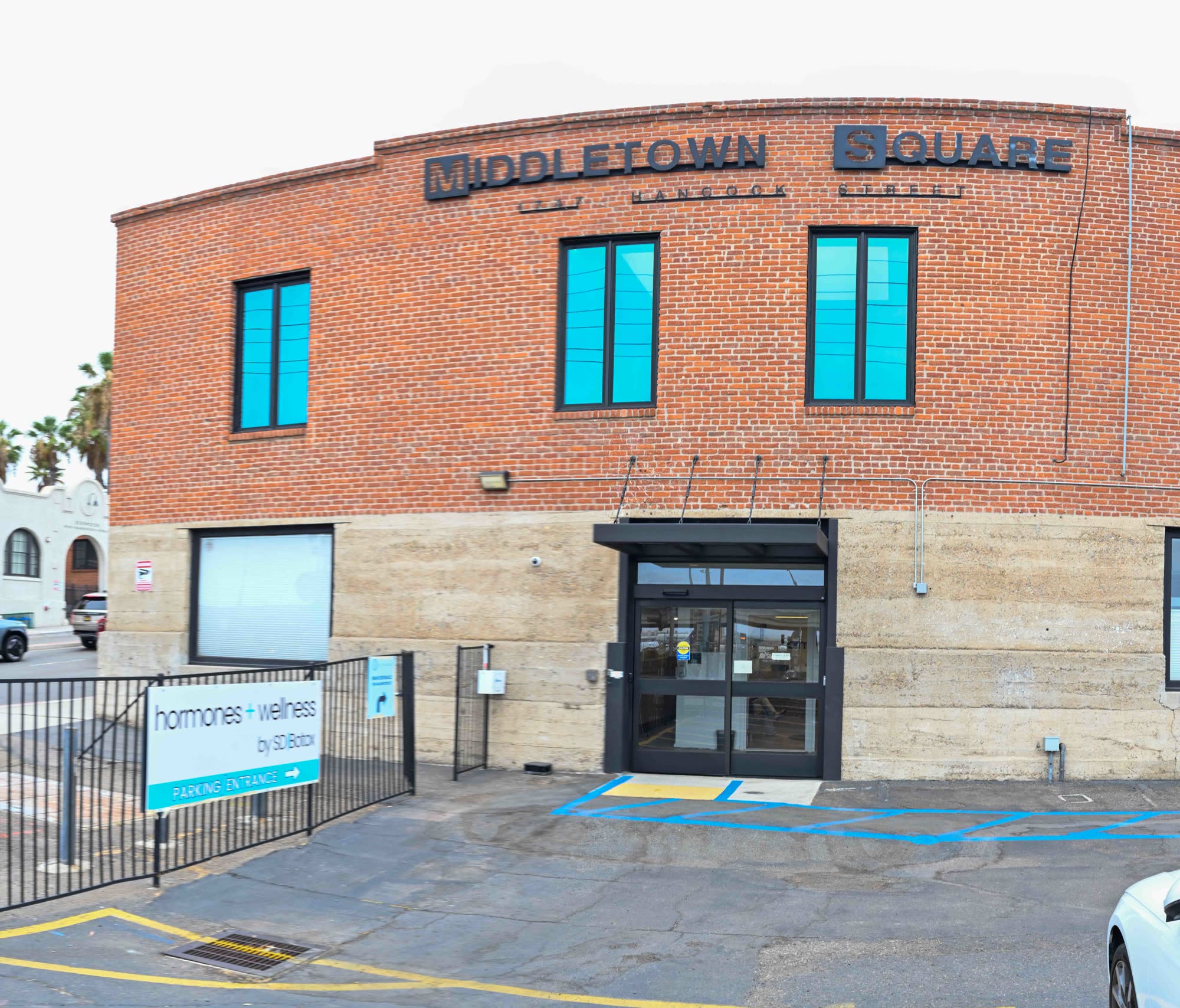
SDBody Mission Hills
Address: 1747 Hancock St Ste C, San Diego, CA 92101
Phone: (619) 772-0252
FAQ About TRT replacement therapy near me
How do I know if I need testosterone replacement therapy?
A clinician evaluates your symptoms and medical history and usually checks testosterone on two separate mornings. Consistently low levels and compatible symptoms help guide the decision.
What monitoring is needed during testosterone replacement therapy?
Follow-up usually includes a review of symptoms, testosterone levels and red blood cell counts. Your clinician may recommend additional monitoring based on your health history.
Can testosterone replacement therapy affect fertility?
Prescribed testosterone can reduce sperm production. Tell your clinician if you plan to have children so you can discuss your options before starting treatment.